
Feedback
AI Ad Video Example
Loading...
MiniMax H3 to Video
Type a scene and MiniMax H3 to Video returns a 2K clip with dialogue, effects, and music already in sync — 9 references keep each shot consistent.
All Tools
Discover our comprehensive AI-powered animation toolkit
MiniMax H3
MiniMax H3 AI Video Generator
Seedance 2.5
The Future of AI Video Is Here.
Seedance 2.0
The Future of AI Video Is Here.
Kling 3.0
Next-Gen AI Video Generator
Grok Video Generator
Create Videos from Text or Images with AI
MiniMax H3 video generator
MiniMax H3 AI Video Generator

Seedance 2.0
The Future of AI Video Is Here.
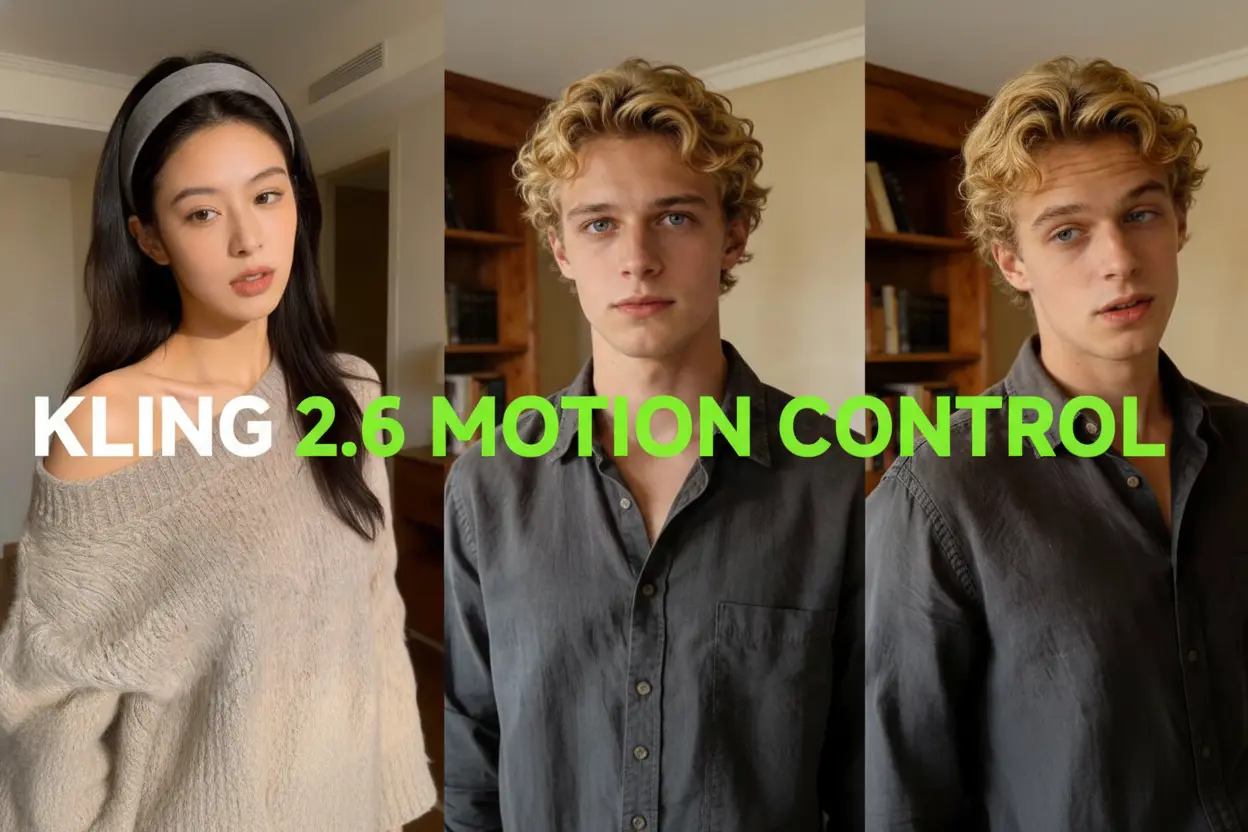
Kling Motion Control
Turn reference images into amazing motion videos in minutes
What Sets MiniMax H3 to Video Apart
Hailuo 3.0, MiniMax's H3 engine, is what powers this tool — a text-to-video workspace where a written scene comes back as 2K footage with its soundtrack baked in. Picture and sound leave the renderer together, so the effects you name and the beat you place them on genuinely shape the result. Actors speak their lines on screen instead of being dubbed, uploaded references hold faces and places steady, and multi-shot beats arrive in the sequence you typed.
- Prompt to Finished Clip, Audio IncludedSketch your scene in words and receive motion plus its soundtrack from one render — nothing gets layered on afterwards, so there is no audio pass to schedule.
- Lines Delivered On ScreenShort-form drama lives on tight framing and reverse angles, and here the performer speaks the line while the shot itself is being made, with delivery and image produced together.
- Anchored by Your Own ReferencesLoad nine pictures, three clips, and three audio tracks per job, tagging what each one governs, so a specific face, set, movement, or voice carries through every frame.
How MiniMax H3 to Video Works in Three Steps
From blank canvas to finished clip in three moves — here is the whole workflow on Morphic's endless visual workspace.
Capabilities Inside MiniMax H3 to Video
Sound generated alongside picture, on-screen performances, reference-anchored consistency, and multi-shot timing — these are the pieces that let MiniMax H3 to Video finish a 2K cut from nothing but a script.
Prompt-Driven Video With Native Audio
Your written scene becomes moving frames that carry their own soundtrack; spell out a sound effect and the exact second it hits, and the render responds.
Performances Captured In-Shot
Tight coverage and reverse-angle cutting carry vertical drama while the spoken line and its delivery are produced inside the very same take.
Fifteen Slots for Reference Material
One job accepts nine pictures, three clips, and three audio tracks; label each slot and faces, sets, movement, and voices are drawn from those fixed sources.
Beat-by-Beat Multi-Shot Timing
Split the runtime into beats and a single render returns several shots — openings, interface walkthroughs, and product reveals all land in the order you specified.
Swap Engines, Compare Takes
Minutes after you hit generate, park your MiniMax H3 to Video output beside results from rival engines on the canvas and choose the stronger one.
Crisp 2K Delivery
Every export leaves at 2K with its audio attached, sharp enough for title cards, screen recordings, and launch videos straight out of the renderer.
Questions About MiniMax H3 to Video
Straight answers on prompts, generated audio, reference uploads, and multi-shot timing.
What is MiniMax H3 to Video, in plain terms?
It is the text-to-video front end for Hailuo 3.0, MiniMax's H3 engine. Hand it a written scene and it returns a 2K clip whose audio was produced in the same render as the picture, rather than layered on afterwards.
Is the audio genuinely generated, not added later?
It is. Sound is rendered in lockstep with the picture, so describing an effect and the second it should land genuinely alters the outcome, and actors speak their lines on screen without a dubbing stage.
What makes a strong first take?
Give the model subject, action, camera, lighting, and audio, then mark the timings of each beat. Renders come back closest to your intent when the runtime is mapped out in advance.
Can I upload reference materials?
You can: each job takes as many as nine pictures, three clips, and three audio files, and you decide what each one governs — a particular face, a location, a motion, or a voice.
Will it handle multi-shot sequences?
It will. Divide the clip into beats and one generation can return several shots, keeping openings, walkthroughs, and product reveals in the exact sequence you wrote.
How can I compare it against other models?
Inside the Morphic canvas you can render fast, switch engines, and place MiniMax H3 to Video output beside Kling 3.0, Veo 3.1, Seedance 2.5, and Vidu Q3 before locking the final cut.
Start Creating with MiniMax H3 to Video
Give your script a soundtrack without reaching for a second tool: 2K footage, spoken lines, and anchored characters come out of one endless canvas. Open the generator and begin your first render.